Nobody Knows You’re a Dog, and That Is a Problem
Written by Waira Mungai
We tend to think of the internet as a story about machines. It’s really a story about people, and how we got pushed out of the center of something built for us. This has driven what we are working on (on behalf of humans) at The &® Company.
In 1960 J.C.R. Licklider (a psychologist) argued that computers should partner with human thinking, not replace it. As head of computing research at the Pentagon’s ARPA, he imagined an “intergalactic computer network” connecting people’s ideas.
When ARPANET linked its first four computers in 1969, the real goal was letting researchers share scarce, expensive machines.
Then came a pivotal design choice. In the 1970s, Vint Cerf and Bob Kahn decided to keep the network simple: just move the data and leave the decisions to the people at the ends. Engineers call it the end-to-end principle. I’d call it a bet on human agency. When Tim Berners-Lee released the World Wide Web in 1991 and CERN gave it to the public, anyone could publish and anyone could link. For a moment, the most powerful communication system in history was organized around the individual.
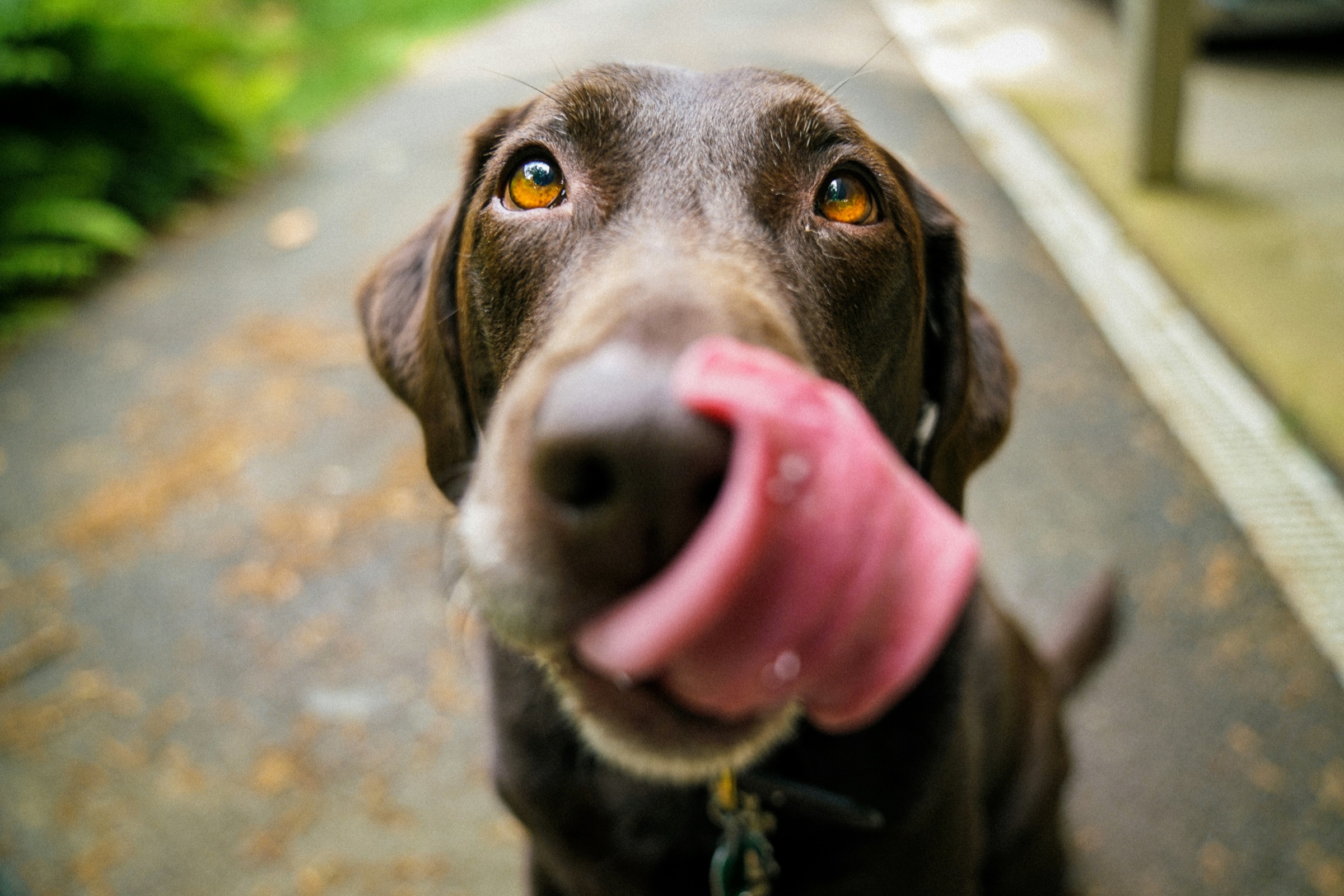
Here’s the twist. The founders gave every machine an address but never gave people one. As a 1993 New Yorker cartoon by Peter Steiner put it, “On the Internet, nobody knows you’re a dog.”
When a system leaves a vacuum, someone fills it. Every website built its own version of you. Netscape’s 1994 cookie, a convenience for remembering visitors, became the backbone of tracking once advertising took over. By the 2010s, a few platforms held our digital identities. The pipes stayed open, but the power concentrated.
The internet gave us a ritual that only looks like a choice: accept or decline. Researchers estimated that reading every privacy policy we encounter would take about 76 workdays a year, so of course we click accept. We don’t have an apathy problem. We have a design problem.
That problem is growing. AI agents are starting to act for us, sharing data faster than we can review it. If they inherit the old architecture, intermediaries will keep deciding on our behalf. We’ll have automated our own absence.
The early internet founders already showed us the fix: trust the edges. We need to apply that principle to identity, with a neutral layer that belongs to the person and carries their choices wherever they go. We believe our task isn’t to build a smarter network. It’s to build one for humans.
The New Yorker cartoon frames this idea: in 1993 nobody knew who you were, today everyone does except you, and a person-owned identity puts you back in charge of who knows what.
Cover photo by James Barker on Unsplash. This post first appeared on The &® Company’s Substack.