A Kansas City Company Changed the Rules
Written by Lauren Aleshire
The problems worth solving are not small. Climate. Public health. Economic inequality. Digital rights in an age of AI. These are societal challenges, and some of the most driven, talented entrepreneurs in the world have decided to take them on—not through charity, not through government, but by building the solutions they want to see.
Yet when founders sit down to talk structure with lawyers and investors, something breaks down. The language shrinks. Suddenly they are "social ventures." Their backers are "impact investors." Their mission is a consideration—one of several factors being weighed, alongside shareholder returns, quarterly results, and the preferences of whoever writes the biggest check.
The terminology was supposed to signal something meaningful. It doesn't. And that gap between intent and structure is costing founders everything.
The Definition Problem
Columbia University adjunct professor John Tyler spent years researching how the field actually defines itself. What he found should concern everyone in the startup space: 162 distinct definitions of terms like "social enterprise," "social entrepreneurship," and "impact investing"—and only a small fraction of them clearly require that social impact be legally prioritized. Most are vague. Many are silent on the question entirely.
Consider impact investing, which promises both financial and social returns. The catch is that nearly all investors are tolerant of some social good. There's no investor who's going to say, "There shall be no social good that comes out of this." If nearly every investor qualifies as an "impact investor," how are companies ensuring that their intended impact remains a priority above shareholder value?
Social good is valued—until it competes with profit. Then it takes a backseat, and the language gives everyone cover to pretend otherwise.
The founder's term sheet protects the mission. The investor's term sheet maximizes returns. What felt like shared values becomes a structural disagreement. There's no intentional deception—just a system designed so poorly that well-intended people, trying to do important work, cannot find common ground.
A Structure That Almost Works
Benefit corporation statutes are available in more than 40 states and provide a step in the right direction. They require boards to consider the effects of their decisions on employees, communities, and the environment—not just shareholders. That created legal breathing room for founders who wanted to operate differently.
But consider what a benefit corporation does not do. It does not require prioritizing any of those stakeholders. It requires consideration—and then allows the board to decide, in any given moment, that shareholders come first. Flexibility is not the same as commitment. When trying to solve structural, societal problems, flexibility is not enough.
Kickstarter followed this path. It started as a for-profit C-corp and eventually incorporated as a Public Benefit Corporation to ensure its mission—enabling funding for creative projects—wouldn't be undermined by investment pressure. Profit maximization is not their mandate. But even that is only a partial solution. When conflict arises, there's still flexibility in how the board prioritizes its interests.
A New Operating Model
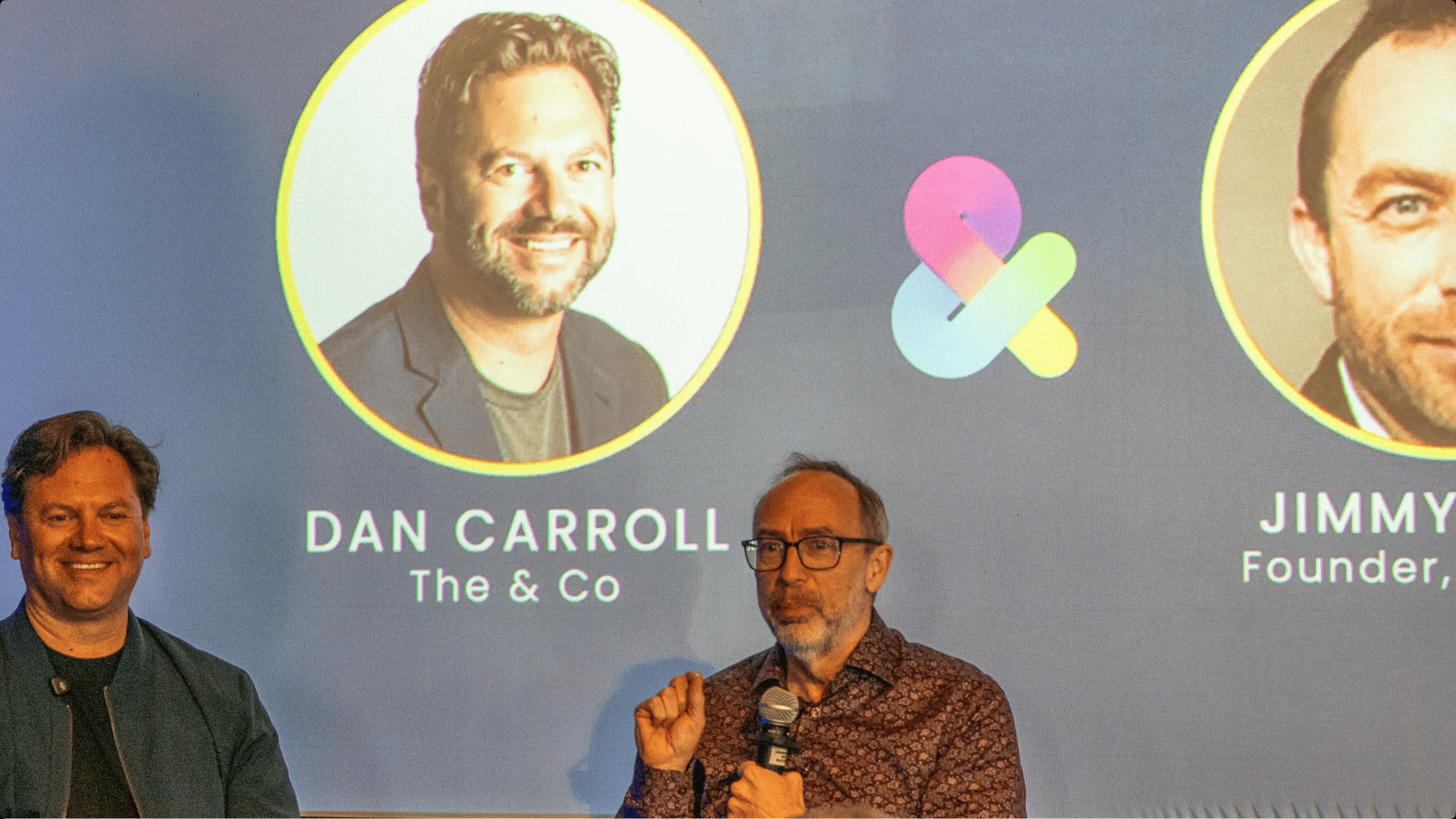
The &® Company, a Kansas City-based technology company working at the intersection of AI and user identity, did not accept that as the ceiling.
The &® Company's founders recognized that building something truly different—something that could hold its mission under the demands of growth—required a structure built to reflect that ambition. They took the benefit corporation foundation and went further. In their organizing documents, The &® Company explicitly declared that social good is not merely a consideration but its priority. When profit pulls against the mission, the mission wins. Investors know this before they invest. Employees know it before they join.
The priority is moving the world toward joy—and everyone knows it. We lead with it.
The problems The &® Company is solving—who controls your identity, who owns your data, who decides what is true about you—are not problems that get solved by people willing to give up on their mission. True change requires a structure that is legally and irreversibly committed to its outcome.
Their mission appears in the third line of their operating agreement, just after the address. Not a values statement. The actual organizing documents.
What This Means for Founders
The &® Company's model is not foolproof. Organizing documents can be amended. Future boards can change course. But changing course requires process, transparency, and deliberate action—and those requirements are meaningful barriers against drift.
What it offers is something that's often missing: clarity about what a company stands for. Not in the marketing. Not in the pitch deck. Legally.
The founders solving the world's hardest problems deserve a structure equal to their ambition.